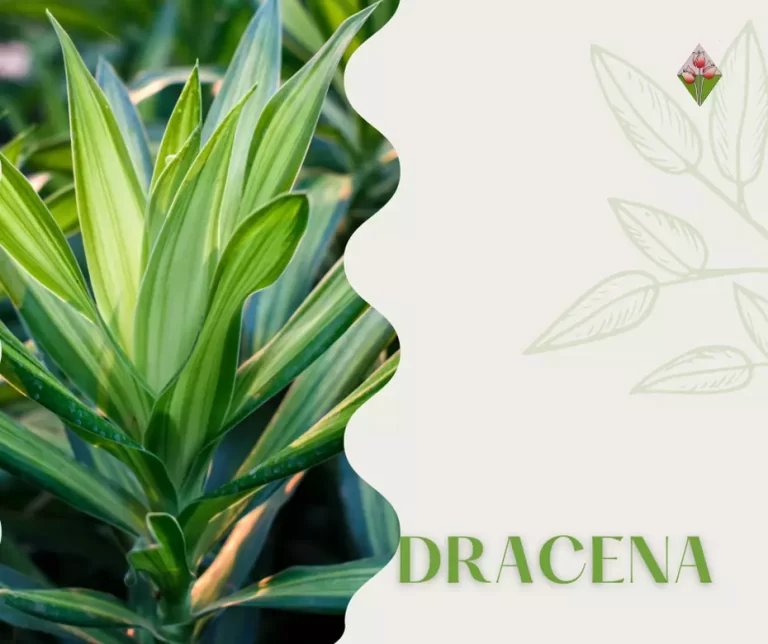
These are native plants from tropical Africa and Asia.
The Dracaena or Dracena, better known as “Little trunk of happiness” belongs to the Liliaceae family, and is one of the species mainly present in our homes as well as for the beauty of its branches for its longevity and easy cultivation.
The dragon-tree is a plant used to warm climates which doesn’t like cold temperature, therefore it lives in hot and humid rooms with temperatures around 26 ° C. Below 15 ° C the plant begins to suffer. It does not like direct sunlight, but needs light. In temperate regions the dragon tree can be kept outdoors all year round, however, far from drafts. To clean the leaves simply use a damp cloth.
WATERING
The dragon-tree requires a constantly moist soil, but without standing water. Therefore during spring/summer, needs to be often watered. As it loves wet environments, it needs to be daily misted on the leaves. During autumn/winter, just water it enough so as not to dry the soil.
SOIL – POTTING
The dragon tree is usually repot every two years, but in the spring, if it finds the ideal environmental conditions, you may need to repot every year as it is a fast-growing plant. It is also a plant that loves space for its roots. Using a peat soil and as it is a plant that does not like stagnant water is a good habit to have pieces of earthenware on the bottom of the vessel, to promote drainage.
FERTILIZATION
Throughout spring and summer, the dracena shall be fertilized every week with a liquid fertilizer, administered in small amounts with irrigation water (1/3 of the amount indicated in the bags). During the autumn-winter period you should stop fertilizing.
Concerning with the type of fertilizer to be administered, there are many kinds but it is a good practice to read the label which specifies the composition. For the dragon-tree, it’s better using fertilizers that we have a high amount in Nitrogen (N), Potassium that allow better development of this plant. Ensure therefore that, in addition to the so-called “macroelements” such as Nitrogen (N), Phosphorus (P) and Potassium (K), it also has the “microelements” such as Iron (Fe), Manganese (Mn), Copper (Cu), Zinc (Zn), Boron (B), Molybdenum (Mo), all important for a proper and balanced growth of your dracena.
PRUNING
The dracaena does not need pruning. Simply remove the leaves that gradually dry up to avoid them to become a vehicle of parasitic diseases.
Take care that the tool you use for the cut is clean and disinfected (preferably burned) to avoid infecting tissues.
The dragon tree can multiply by apical cuttings of the stem.
From the mother plant, in the spring, you can take a portion of a stem from a side branch (at least 10 cm long). All the old leaves should be removed.
You have to treat the base with hormones rizogeni powder (you found it in specialized stores) to encourage rooting and you plant the cuttings in a soil for seeds based on peat and sand.
The vessel with the cuttings of Dracaena must be small, no more than 7 cm and cuttings are potted and sealed with transparent plastic. Use some sticks that will settle in the soil to keep the plastic away from cuttings.
Place the jar in a position where there is plenty of light but not direct sun and a temperature of about 20-24 ° C. Every day you open the envelope and check the moisture of the soil: let it always be moist and eliminate any condensation present in the plastic.
When the new leaves start to appear, it means the taleadi dracena has rooted. Then you remove the plastic wrap and the you feed it as an adult dracena plant that you will plant out in a larger pot.
ADVERSITIES
The plant may be subject to fungus in humid conditions and easily protected by applying antifungal products. In case of parasites we recommend the use of Acaricidal for ornamental plants, especially in spring/summer months when the temperatures keep increasing.